
Azelaic Acid vs Niacinamide: Which Is Better for Acne
Comparison between azelaic acid vs niacinamide for acne, dark spots, redness, oily skin, and sensitive skin. Their advantages, differences, usage, and layering.
What Is Azelaic Acid?
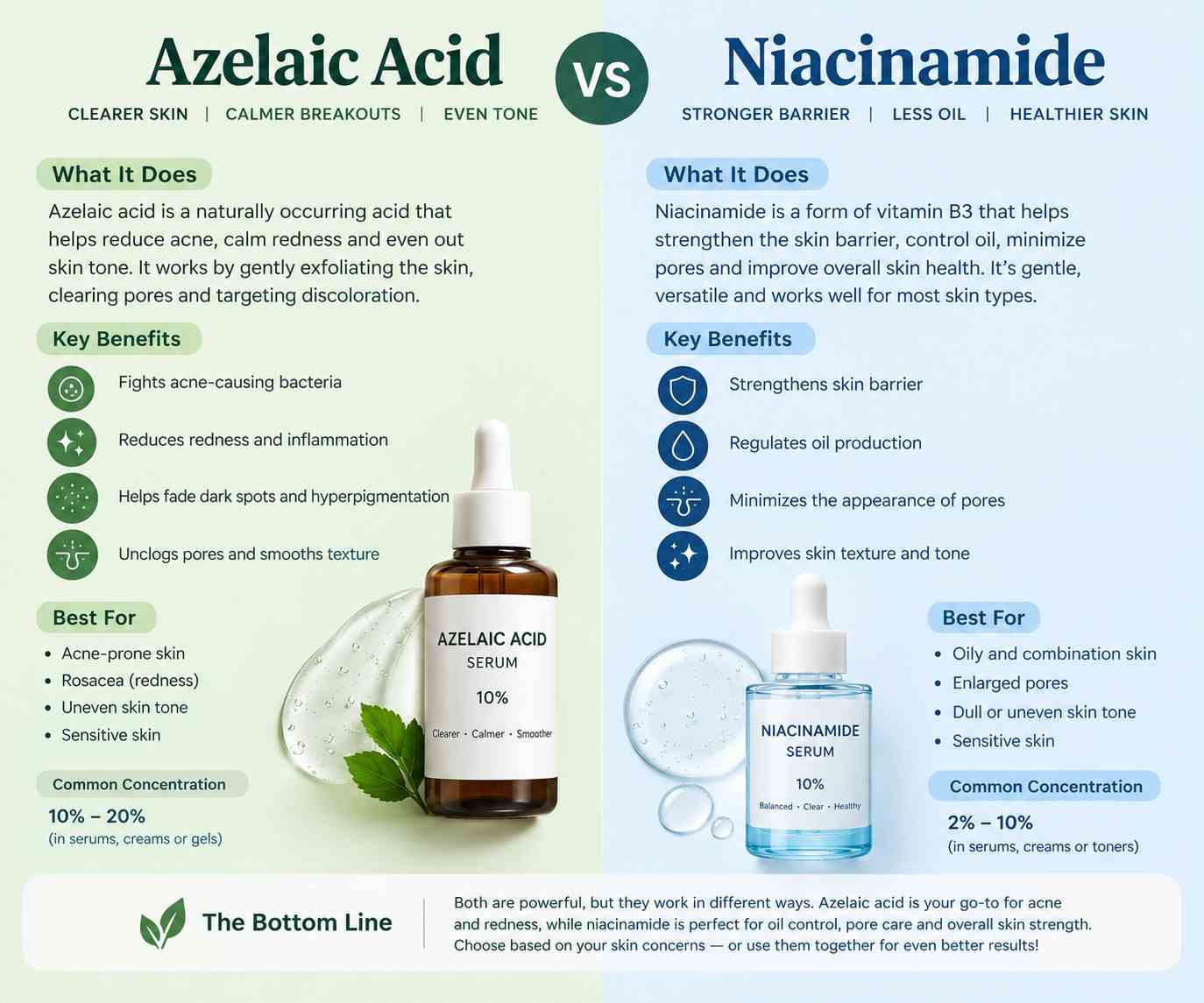
Azelaic acid is a naturally occurring dicarboxylic acid. On application to the skin, azelaic acid may be useful for the treatment of inflammatory conditions on the skin such as acne, hyperpigmentation, and other types of inflammatory conditions. Because of the unique nature of azelaic acid, which is anti-inflammatory, antioxidant, antibacterial, comedolytic/keratolytic, azelaic acid can be used for the treatment of comedonal and inflammatory acne.
Azelaic Acid Benefits
The main benefits that azelaic acid includes:
- Anti-inflammatory effects which help reduce the inflammation associated with acne breakouts and calm them down
- Antibacterial properties affecting bacteria causing the inflammatory acne;
- Mild exfoliation of the skin to unblock clogged pores and smooth skin;
- Decreasing melanin synthesis to fade post-acne spots and hyperpigmentation;
- Improvement of redness and irritation, especially rosacea.
With azelaic acid being both anti-inflammatory and antibacterial, it will be used most in the treatment of acne.
Azelaic acid is one of the ingredients used in the treatment of hyperpigmentation because it inhibits the overproduction of melanin without adverse effects like hydroquinone.
Is Azelaic Acid Good for Sensitive Skin?
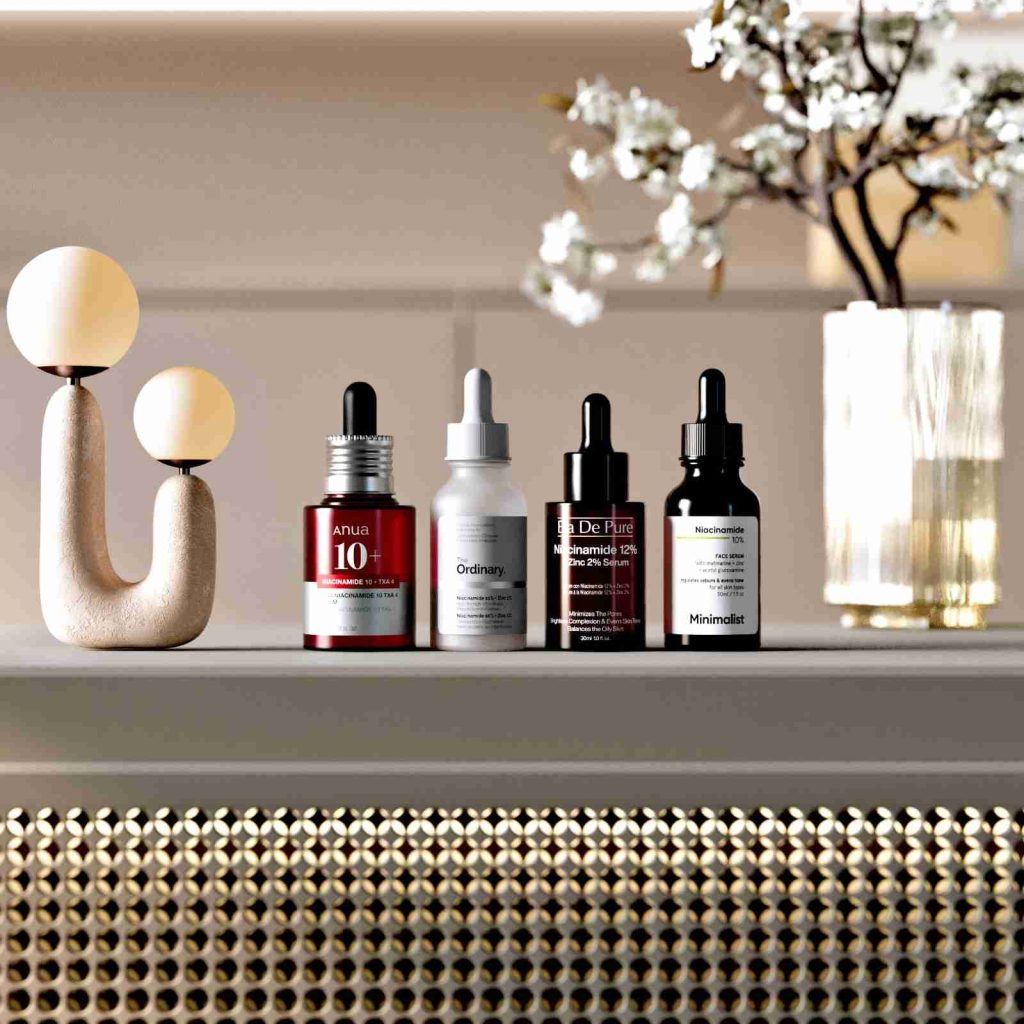
Yes. Azelaic acid for sensitive skin is among its best qualities. While other active ingredients such as retinoids and exfoliating acids might be irritating on sensitive skin, azelaic acid does not cause any irritation; therefore, it is a suitable ingredient in skin care products where people are irritated by other skin care ingredients.
What Is Niacinamide?
Niacinamide is another name for nicotinamide and is a form of vitamin B3. Niacinamide is one of the commonly used active ingredients in niacinamide skin care products. Niacinamide is not an exfoliating acid. The skin barrier, hydration, anti-inflammatory effect, pigmentation, and sebum regulation are among the skin functions regulated by niacinamide. According to DermNet, topical nicotinamide can be used to treat acne due to regulation of skin inflammation and sebum, and an increase in skin hydration and barrier.
Niacinamide Benefits
Here are some of the important benefits of Niacinamide:
- Excessive sebum control (useful for oily skin)
- Improving the skin barrier function and hydration
- Minimizing the appearance of pores in the long run
- Eliminating dark spots by inhibiting melanin transfer
- Decreasing redness and irritation owing to the anti-inflammatory action
- Protecting the skin against oxidative stress through antioxidant action
Acne treatment with niacinamide is widely used owing to the multi-factorial approach to acne treatment without purging and drying of the skin. Besides, niacinamide for dark spots is the most effective one owing to its skin-lightening property within 4-8 weeks of application.
What are the side effects of Niacinamide?
Common (Usually Mild and Temporary)
1. Redness:
Sometimes, niacinamide may cause temporary skin redness, especially when using concentrated forms of niacinamide-containing products or using them suddenly on sensitive skin.
2. Mild itching:
Mild itching could be experienced by some individuals after the application of niacinamide products, especially if they have sensitive, dry, irritated skin or skin that reacts to other products.
3. Tingling or warmth:
Some people feel a stinging sensation while using niacinamide due to poor skin barrier function or high concentration of the product.
4. Slight burning sensation:
Niacinamide may irritate sensitive skin, particularly on the nose or cheeks, and cause some burning in these areas, particularly when present in high concentration or if the skin is sensitive.
Less Common but Important
1. Persistent irritation:
The continuous irritation may suggest that your skin does not agree with the product, the strength of the product, or other ingredients. Discontinue use and reconsider your skincare routine.
2. Dry patches or tightness:
The use of niacinamide can cause skin dryness and tightness, particularly when used with other active components or when used excessively on dehydrated skin.
3. Increased sensitivity with strong actives:
When using niacinamide with other strong actives, it can cause skin irritation. Products should be introduced one at a time and never applied all at once.
Niacinamide for Sensitive Skin
The efficacy of niacinamide in treating sensitive skin comes from the fact that it does not interfere with the skin barrier but strengthens it. Thus, niacinamide serum can be safely introduced to a skincare regimen by beginners.
Azelaic Acid vs Niacinamide: Full Comparison Table
| Feature | Azelaic Acid | Niacinamide |
| Best for | Inflammatory acne, rosacea, redness, post-acne marks | Oily skin, enlarged pores, dark spots, barrier repair |
| Typical concentration | 10–20% (azelaic acid concentration) | 2–10% (niacinamide concentration) |
| Mechanism | Anti-inflammatory, antibacterial, mild exfoliation | Sebum regulation, barrier support, melanin-transfer inhibition |
| Texture effect | Smooths skin texture, unclogs clogged pores | Refines pore appearance, controls shine |
| Pigmentation | Strong for hyperpigmentation and post-acne marks | Strong for dark spots and pigmentation concerns |
| Sensitivity level | Very gentle; suited to sensitive and acne-prone skin | Extremely gentle; suited to nearly all skin types |
| Can combine with | Niacinamide, sunscreen, moisturizer | Azelaic acid, retinoids, vitamin C (buffered) |
| Results timeline | 4–12 weeks for pigmentation and redness | 4–8 weeks for oil control and tone |
| Form | Cream, gel, azelaic acid serum | Niacinamide serum, lotion, moisturizer |
| Comedogenic risk | Non-comedogenic | Non-comedogenic |
Azelaic Acid vs Niacinamide for Acne
When it comes to the issue of comparing the efficacy of azelaic acid and niacinamide as methods of dealing with acne, it is possible to say that both agents are the most efficient in terms of fighting breakouts.
- If speaking about azelaic acid as for its role in the treatment of acne, one should note that this substance fights acne directly, i.e., by attacking the bacteria and inflammation.
- Concerning niacinamide as for its application in the treatment of acne, one should note that it works indirectly by controlling sebum production and inflammation.
Verdict: Where active and inflammatory acne breakouts are concerned, azelaic acid will produce results quicker. Where prevention and oil management of combination and oily skin types are concerned, niacinamide takes precedence. Azelaic acid should be used for the active acne lesion, while niacinamide can be used for prevention of acne formation and also oil control.
Azelaic Acid vs Niacinamide for Dark Spots & Hyperpigmentation
When dealing with dark spots, the use of azelaic acid and niacinamide will be beneficial since both have proven to be effective, though against different types of dark spots.
- Application of azelaic acid to eliminate hyperpigmentation is quite efficient because it reduces hyperpigmentation of spots resulting from post-acne and melasma because of its melanin-inhibiting effect.
- Niacinamide for dark spots works slowly because of stopping the transfer of melanin to the epidermis; thus, niacinamide is usually used along with Vitamin C.
As concerns comparison of azelaic acid and niacinamide for hyperpigmentation, azelaic acid is better and quicker; however, niacinamide is gentler and can be used daily for skin brightening.
Azelaic Acid vs Niacinamide for Redness
The azelaic acid vs. niacinamide for redness comparison, on the other hand, is where azelaic acid is superior, as it has a better clinical track record and is FDA-approved for treating redness caused by rosacea. This is due to the anti-inflammatory effect of azelaic acid.
Niacinamide is still beneficial in reducing redness and irritation but now in a supportive role to help reinforce the skin barrier function, making the skin less reactive over time. If chronic redness is the primary concern you’re dealing with, the first choice should be azelaic acid, while niacinamide can be used as a supporting ingredient.
Niacinamide for Oily Skin
It seems one of the most widely studied uses of niacinamide for oily skin is how it can improve acne and oiliness. It has been proven that the use of niacinamide serum helps reduce the amount of oil on your skin in just a few weeks, resulting in smaller pores and creating a matte effect, which is great for combination and oily skin with clogged pores.
Can You Use Azelaic Acid and Niacinamide Together?
Absolutely, they would not miss an opportunity to apply this wonderful ingredient combination – azelaic acid and niacinamide. The ingredients are non-irritating and non-comedogenic and have synergistic properties:
- Azelaic acid helps in solving the existing problems of acne, reducing redness and inflammation, and preventing hyperpigmentation.
- Niacinamide reduces sebum secretion, strengthens the skin barrier, and even tones the skin.
How to Layer Them
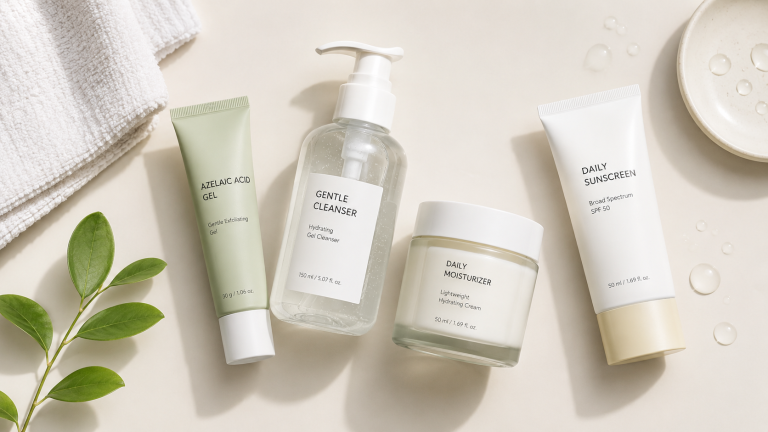
| Step | Product | Purpose |
| 1 | Cleanser | Prep skin, remove impurities |
| 2 | Niacinamide serum | Water-based; apply first for barrier support and oil control |
| 3 | Azelaic acid serum or cream | Apply next to target acne, redness, and pigmentation |
| 4 | Moisturizer | Lock in hydration, reinforce skin barrier support |
| 5 | Sunscreen (AM only) | Protect skin, especially when treating hyperpigmentation |
This layering technique is deemed to be safe for use on sensitive skin that is prone to breakouts and is often suggested to individuals having more than one problem with their skin.
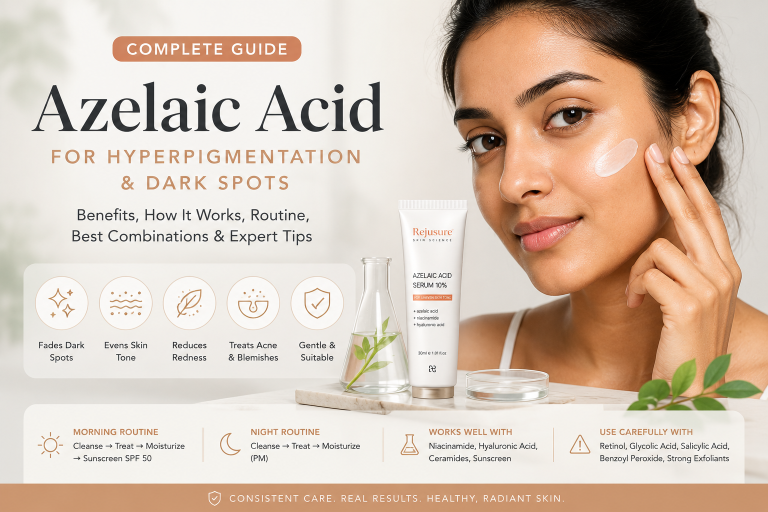
How to Add Them to Your Skincare Routine
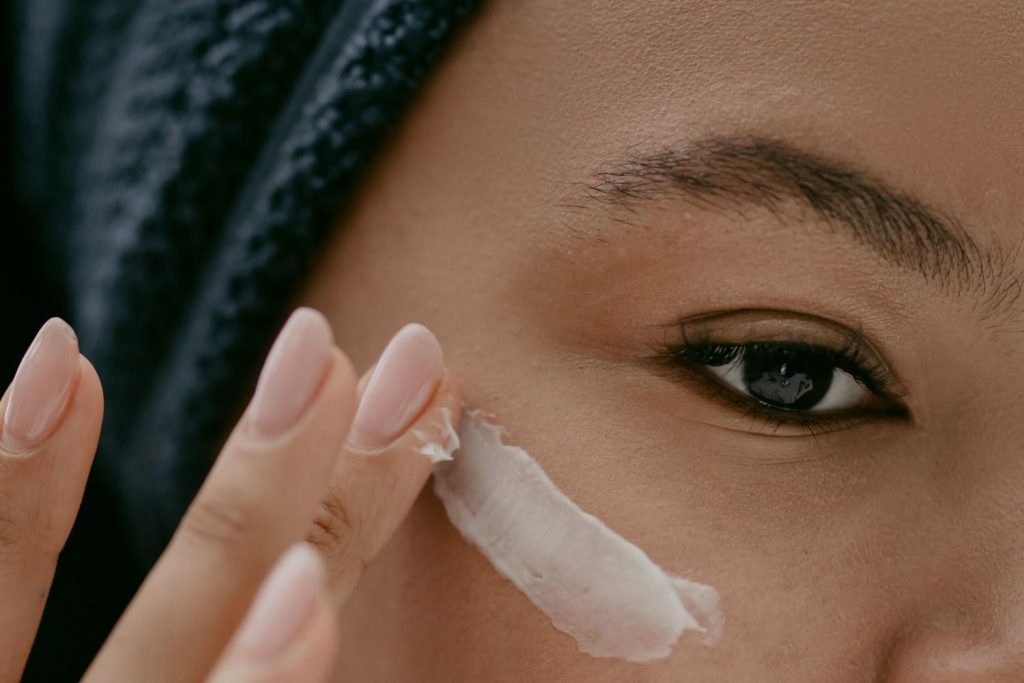
It becomes easy for you to use skincare actives with a simple skincare routine. In order not to irritate your skin, it is very essential to begin with small amounts of niacinamide and azelaic acid.
Morning Routine
Step 1: Cleanser
You should always cleanse your skin gently, depending on the type of skin. Alongside cleansing, it is very vital to protect the skin barrier when using any skincare product.
Step 2: Niacinamide
It is advisable to apply niacinamide serum after cleansing if you have issues like oil control, protection of the skin barrier, reduction of redness, and treatment of hyperpigmentation and mild pigmentation.
Step 3: Moisturizer
Make sure that your moisturizer is moisturizing to avoid dryness. For oily, combination, sensitive, and acne-prone skin, use light moisturizers.
Step 4: Sunscreen
Sunscreen must be applied in the morning to avoid effects from the sun on your skin. Apply sun cream as an aid in solving the problem of hyperpigmentation, dark spots, skin toning irregularities, etc.
Evening Routine
Step 1: Cleanse
At night, all the trash: sun cream, makeup, dirt, excess oil, and other environmental pollutants should be stripped off your skin. Skin barrier disruption, dryness, and skin irritation are caused by aggressive cleaning.
Step 2: Azelaic Acid
Azelaic acid serum or other skin care product containing azelaic acid should be applied after cleansing your skin. You should have patience in applying azelaic acid gradually if your skin is sensitive.
Step 3: Moisturizer
Choose a moisturizer that hydrates and supports the skin barrier. Pick one that fits your skin type. Look for a formula that will not clog pores. Also choose one that feels calm on the skin.
Step 4: Using Both Ingredients
If your skin can handle niacinamide and azelaic acid, you can use them. Start with niacinamide first. Then apply azelaic acid. Finish with your moisturizer.
How to Reduce the Risk of Niacinamide Side Effects?
1. Start Low and Build Gradually
Apply a product with less niacinamide first, and apply it twice a week initially, and then increase the frequency to everyday use as your skin gets used to the product.
2. Patch Test Correctly
Apply some niacinamide on a small area of skin before its regular application to avoid any symptoms of redness, itching, burning, or any other form of irritation.
3. Layer Thoughtfully
Do not stack several actives together in one go. Use niacinamide after the gentle steps such as moisturizer or sunscreen.
Common Mistakes to Avoid
1. Starting Several Actives at Once
Using azelaic acid, niacinamide, retinoids, exfoliating acids, and various products at the same time makes it hard to determine what is irritating.
2. Assuming a Higher Percentage Is Always Better
Neither a higher concentration of azelaic acid nor niacinamide necessarily indicates better results.
3. Skipping Sunscrthe een
When dealing with hyperpigmentation or dark spots, use of a daily sunscreen is essential.
4. Applying Too Much Product
More usage of the product doesn’t mean that you will have results faster. Always follow the manufacturer’s instructions.
5. Ignoring Persistent Acne
A good routine may ease mild breakouts. If acne is deep, hurts, or leaves scars, get help from a professional.
FAQs
Is azelaic acid better than niacinamide?
It seems that azelaic acid is a better choice than niacinamide in the case of acne and post-inflammatory hyperpigmentation treatment. In the case of sebum production and skin barrier protection, niacinamide might be more useful. Both have shown results in terms of pigmentation.
Can I use azelaic acid and niacinamide together?
Yes, it is possible to combine a product with azelaic acid and niacinamide into a single product as long as you are using something that suits your skin type well. It is a fantastic combination of effective ingredients.
Which is better for dark spots?
Both ingredients can be used. For azelaic acid for hyperpigmentation, there is scientific proof of its effectiveness in melasma and other pigmentation conditions. For niacinamide for dark spots, there is clinical proof of its effectiveness in reducing pigmentation.
Is niacinamide good for oily skin?
Yes. The topical use of niacinamide can make the appearance of skin pigmentation and other symptoms less visible due to reduced transfer of the melanosomes from melanocytes to keratinocytes.
Is azelaic acid suitable for sensitive skin?
Sometimes azelaic acid can be used by people with sensitive skin, but it may irritate initially. Take note of your skin.
Is niacinamide suitable for sensitive skin?
Niacinamide for sensitive skin can be effective and tolerated well. The skin barrier might benefit from niacinamide usage; however, reactions might occur.
Can azelaic acid reduce redness?
Yes. Azelaic acid’s effectiveness in terms of redness is especially studied in the case of inflammatory lesions caused by rosacea and erythema.
Does niacinamide reduce pigmentation?
The topical application of niacinamide can help reduce the visibility of the pigmentation of the skin along with other symptoms, as it decreases the transfer of melanosomes from melanocytes to keratinocytes.
Can I use azelaic acid serum and niacinamide serum together?
Yes, if both products are suitable for your skin and you introduce them correctly. You may apply both niacinamide serum and azelaic acid serum in the same skincare routine, or you may use them at different times of the day.
Which concentration of azelaic acid should I use?
The usual concentrations are 10%, 15%, and 20%. Much clinical research has examined 15-20% concentrations, but the correct percentage will depend on the purpose and product itself.
Which niacinamide concentration is best?
There is no universal percentage that is best for all people. Much research has examined 2%, 4%, and 5% formulations.
Which one is better for post-acne marks?
Perhaps azelaic acid is better than niacinamide, as it can treat both pigmentation and acne. Also, niacinamide may be useful in treating post-acne hyperpigmentation.
Can these ingredients damage the skin barrier?
Either of these ingredients may irritate if the formulation or frequency of application is not suitable for your skin. However, niacinamide is often used for strengthening the skin barrier, while azelaic acid causes irritation in some patients.
Conclusion
Azelaic acid and niacinamide both provide distinct, well-compatible skincare advantages. Azelaic acid works great to treat acne, redness, hyperpigmentation, and marks caused by acne, while niacinamide helps the skin barrier function, regulates excessive sebum production, and evens out skin tone. The two may be able to be used together when introduced carefully. Select your products according to your skin concerns, tolerance, and skin care regimen. Always wear sunscreen.



 English
 Bengali