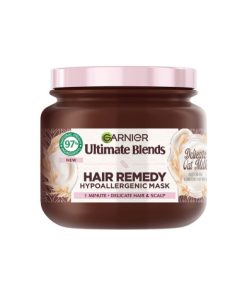
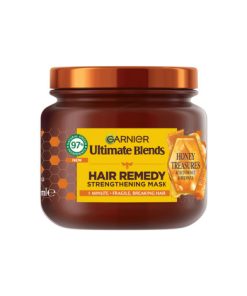
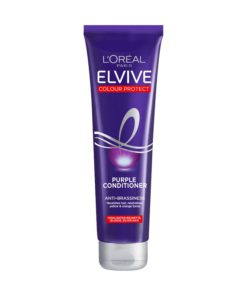
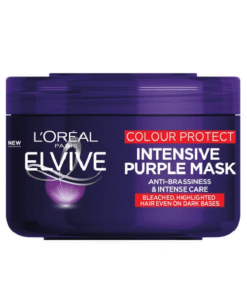
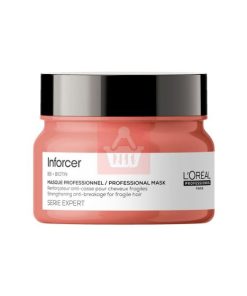
Explore
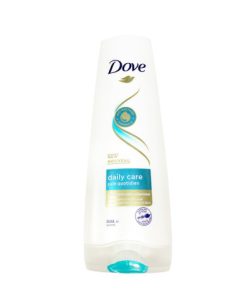
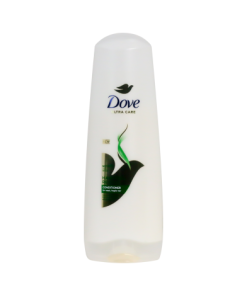
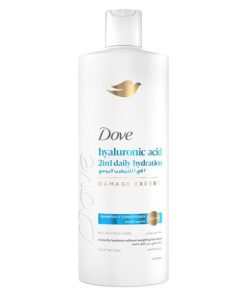
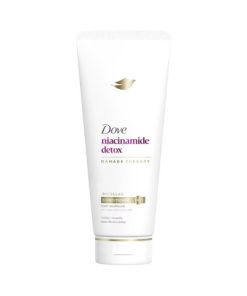
hair conditioner and mask in Bangladesh at BeautyBellBD for dry, frizzy, rough, damaged, coloured and chemically treated hair. Browse everyday rinse-out conditioners, intensive hair masks, deep-conditioning treatments and multi-use formulas from Japanese, Korean, Indian and international brands. Whether you need lightweight conditioning for fine hair or richer care for dry and damaged lengths, you can compare each product by hair type, ingredients, size, price and usage instructions. A suitable conditioner can make hair feel softer and easier to manage, while a hair mask provides more intensive care when your lengths need extra attention. Browse the collection and choose a formula that fits your wash routine, hair texture and styling habits.
Shop Hair Conditioner and Mask in Bangladesh
Conditioners and hair masks are designed to care for the hair after cleansing. Shampoo removes oil, sweat and product buildup, while a conditioner helps improve softness, smoothness and manageability. A hair mask usually has a richer texture and is left on the hair for longer to provide more intensive conditioning.
At BeautyBellBD, you can explore hair conditioner and mask products for different textures, routines and concerns. The selection may include lightweight conditioners, moisturising formulas, smoothing treatments, protein-based masks, colour-care products and rich masks for dry or chemically processed hair.
The right choice depends on your hair texture, current condition and how frequently you wash, colour or heat-style your hair.
Everyday Hair Conditioners
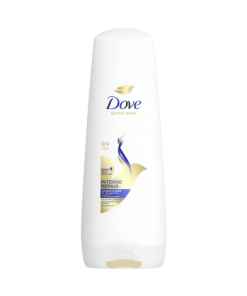
A rinse-out conditioner is normally used after shampooing. It can help the hair feel softer, reduce roughness and make the lengths easier to detangle.
Everyday conditioners are available in different textures. A lightweight formula may be more comfortable for fine, straight or easily weighed-down hair. A richer conditioner may suit thick, coarse, curly, dry or frequently styled hair.
Apply the conditioner mainly to the mid-lengths and ends unless the manufacturer recommends a different method. These areas are usually more exposed to friction, heat, colouring and environmental stress than newly grown hair near the scalp.
Deep-Conditioning Hair Masks
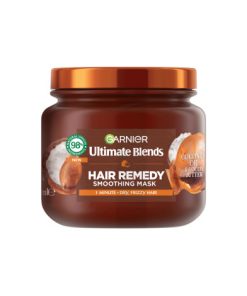
Hair masks are generally richer than regular conditioners and are designed for occasional or intensive use. Depending on the formula, they may be used once or twice a week or whenever the hair feels particularly dry, rough or difficult to manage.
A hair mask can be useful for hair affected by:
- Frequent heat styling
- Hair colouring or bleaching
- Chemical straightening
- Dryness and roughness
- Frizz and tangling
- Split-looking ends
- Loss of softness or shine
Follow the product’s recommended application time. Leaving a mask on much longer than instructed does not always provide a better result and may make fine hair feel heavy.
Conditioners for Dry and Frizzy Hair
Dry hair may feel rough, tangled or difficult to style. Rich conditioners and masks often contain oils, fatty alcohols, silicones, humectants or conditioning agents that help improve the feel and appearance of dry lengths.
Popular ingredients in products for dry or frizzy hair may include:
- Argan oil
- Coconut oil
- Camellia oil
- Shea butter
- Glycerin
- Panthenol
- Ceramides
- Amino acids
- Hydrolysed proteins
Ingredient names alone do not determine whether a product will suit your hair. The complete formula, texture and frequency of use are equally important.
Hair Masks for Damaged and Chemically Treated Hair
Hair that has been bleached, coloured, rebonded, permed or frequently exposed to high heat may need more careful conditioning. Products marketed for damaged hair often focus on improving softness, reducing roughness and helping the hair appear smoother.
Some masks contain proteins or amino-acid-based ingredients. These may suit hair that feels weak or overly processed, but frequent use can make some hair types feel stiff or dry. Alternate protein-focused treatments with moisturising products when appropriate.
Conditioning products cannot permanently repair split ends or reverse severe structural damage. Regular trims, reduced heat exposure and gentler handling remain important.
Conditioner for Coloured Hair
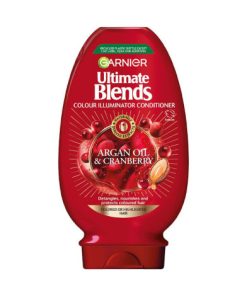
Colour-treated hair can become dry or lose its smooth feel after repeated washing and styling. Conditioners designed for coloured hair may focus on moisture, softness and reducing the rough feel associated with chemical processing.
Choose a compatible shampoo and avoid excessively hot water during washing. When selecting a conditioner or mask, check whether the product is suitable for coloured, bleached or chemically treated hair.
A formula marketed for colour care does not guarantee that every hair colour will remain unchanged. Follow the manufacturer’s directions and review the complete product information before use.
Products for Curly and Wavy Hair
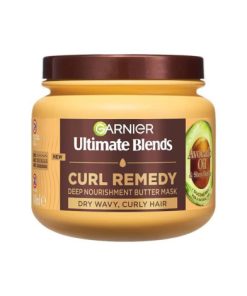
Curly and wavy hair may need additional conditioning because natural scalp oils can take longer to travel along curved hair strands. Creamier conditioners and masks may help curls feel softer and easier to detangle.
When choosing a product for curly hair, consider:
- The thickness of your strands
- Curl pattern
- Hair density
- Level of dryness
- Styling-product buildup
- Sensitivity to heavy oils or silicones
Apply the product carefully through the lengths and detangle gently. Avoid pulling aggressively through knots, especially when the hair is wet.
Lightweight Conditioning for Fine Hair
Fine hair can become flat or greasy-looking when a conditioner is too rich or applied too close to the scalp. Look for lightweight conditioners described as volumising, balancing or suitable for fine hair.
Use a small amount from the mid-lengths to the ends and rinse thoroughly. An intensive hair mask may still be used occasionally, but apply it mainly to dry or damaged areas rather than coating the entire scalp.
The correct amount depends on hair length, thickness and the product’s concentration.
How to Choose the Right Hair Conditioner or Mask
Identify Your Hair Type
Consider whether your hair is:
- Fine or thick
- Straight, wavy, curly or coily
- Dry, normal or oily
- Natural, coloured or chemically treated
- Frequently exposed to heat
- Prone to tangling or frizz
Choose a product based on your current hair condition rather than selecting only by popularity or packaging.
Decide Between Conditioner and Hair Mask
Choose a regular conditioner when you need convenient care after most shampoo sessions. Choose a hair mask when your hair needs richer or more intensive conditioning.
Some customers use conditioner after every shampoo and add a hair mask once a week. Others may need a mask less frequently. Follow the product directions and adjust according to how the hair feels.
Review the Formula
Check the ingredients and product description for:
- Moisturising ingredients
- Oils and butters
- Proteins and amino acids
- Silicones
- Fragrance
- Colour-care claims
- Recommended hair type
- Application time
Avoid assuming that “silicone-free,” “protein-rich” or “natural” automatically means that a product is better. Suitability depends on the complete formulation and individual hair needs.
Compare Size and Price
When comparing hair conditioner price in Bangladesh, consider the pack size and how often you expect to use it. A larger conditioner may offer better value for frequent washing, while a smaller mask may last longer because it is used less often.
Check whether the product size is listed in millilitres or grams. Similar-looking containers can contain different quantities.
Japanese, Korean, Indian and International Hair Care
BeautyBellBD’s collection may include hair conditioners and masks from Japanese, Korean, Indian and other international brands.
Japanese hair masks are popular among customers looking for rich textures and smooth, glossy-looking results. Korean hair-care products may include scalp-friendly conditioners, protein treatments and nourishing masks. Indian and international brands offer options for frizz, dryness, colour care, curls and everyday conditioning.
Country of origin should not be the only deciding factor. Compare ingredients, texture, application instructions and suitability for your hair type before ordering.
How to Use Hair Conditioner
- Wash the scalp and hair with a suitable shampoo.
- Rinse the shampoo thoroughly.
- Remove excess water from the lengths.
- Apply conditioner mainly from the mid-lengths to the ends.
- Leave it on for the recommended time.
- Rinse thoroughly with water.
Avoid using more than necessary. Excess product may make fine or low-porosity hair feel heavy.
How to Use a Hair Mask
- Cleanse the hair and rinse thoroughly.
- Gently remove excess water.
- Apply the mask evenly to the mid-lengths and ends.
- Concentrate on dry or damaged areas.
- Leave it on for the time stated on the packaging.
- Rinse thoroughly.
Check whether the mask replaces conditioner or should be followed by conditioner. Instructions vary between products.
Why Shop Hair Conditioner and Masks at BeautyBellBD?
BeautyBellBD helps customers compare hair-care products by brand, product type, size, origin, price and intended use. Shoppers can explore conditioners and masks for different textures and concerns without searching across several unrelated categories.
Read the individual product page before ordering, especially when choosing a product for coloured, chemically treated or sensitive hair. Packaging and formulas may change, so check the current label after receiving the item.
BeautyBellBD provides online ordering and delivery options across Bangladesh, helping customers access international hair-care products from home.
Find the Right Conditioner or Hair Mask
Explore hair conditioner and mask in Bangladesh for everyday softness, easier detangling and more manageable-looking hair. Compare lightweight conditioners, deep-conditioning masks and treatments for dry, frizzy, coloured or damaged lengths. Choose a formula that suits your hair texture, routine and budget, then follow the recommended directions for the best experience.
Frequently Asked Questions
What is the difference between a hair conditioner and a hair mask?
A regular conditioner is generally used after shampooing to make the hair feel softer, smoother and easier to detangle. A hair mask normally has a richer texture and is left on for longer. Masks are often used less frequently when dry, rough, coloured or damaged hair needs more intensive conditioning.
How often should I use a hair mask?
The recommended frequency depends on the formula and your hair condition. Many masks are used once or twice a week, while protein-rich or very intensive treatments may need less frequent use. Follow the directions on the product and reduce frequency if your hair begins to feel heavy, coated, stiff or difficult to style.
Can I use a hair mask instead of conditioner?
Some hair masks are designed to replace regular conditioner on the days they are used. Other formulas may have different instructions. Read the product label before applying it. Using both a rich mask and heavy conditioner may weigh down fine hair, so adjust the routine according to the formula and your hair type.
Which conditioner is suitable for dry and frizzy hair?
Dry and frizzy hair may benefit from a moisturising conditioner containing oils, fatty alcohols, glycerin, panthenol, ceramides or conditioning agents. Thick or coarse hair may prefer richer textures, while fine hair may need a lighter formula. Check the full ingredient list and hair-type recommendation before buying.
Can I apply conditioner or hair mask to my scalp?
Most rinse-out conditioners and masks are intended mainly for the mid-lengths and ends. Applying a rich product directly to the scalp may make some hair types feel heavy or oily. However, certain scalp conditioners or treatments are specifically formulated for scalp use. Always follow the manufacturer’s application instructions.
Which hair mask is suitable for coloured or chemically treated hair?
Look for a mask described as suitable for coloured, bleached or chemically processed hair. Moisturising formulas can help improve softness, while protein-based treatments may suit some damaged hair types. Avoid overusing strong protein treatments and reduce high-heat styling where possible. A patch test may be appropriate for sensitive skin.
Where can I buy original hair masks in Bangladesh?
You can browse original hair masks and conditioners online through BeautyBellBD. Compare the brand, size, country of origin, ingredients, usage instructions and current price before ordering. After receiving the product, inspect its seal, packaging, batch information and expiry details where provided, particularly if the brand has recently changed its packaging.
How do I compare hair mask prices in Bangladesh?
Compare the price together with the product size, recommended amount and expected frequency of use. A larger tub may offer better value, but a smaller size can be practical when trying a product for the first time. Also consider whether the formula is a daily conditioner, weekly mask or concentrated treatment.