
Best Salicylic Acid Face Wash in Bangladesh for Acne and Blackheads
Best salicylic acid face wash in Bangladesh suits people with oily or acne-prone skin, especially those dealing with blackheads, whiteheads, and clogged pores. It works as a beta-hydroxy acid (BHA) that dissolves oil and debris inside the pore lining, which a regular cleanser cannot do. The right choice depends on concentration (usually 0.5%–2%), added ingredients like niacinamide or tea tree oil, and how sensitive your skin is. Beginners should start with a lower strength, use it 2–3 times a week, and always follow up with a moisturizer and sunscreen. It is not a treatment for dark spots or pigmentation — for that, a separate approach is needed.
What Is Salicylic Acid Face Wash ?
If your skin feels oily by midday, breaks out around the same spots every month, or shows blackheads across the nose and chin, a salicylic acid face wash is one of the most researched, dermatologist-recognised ways to manage it. Unlike a plain foaming cleanser that only washes the surface, salicylic acid is oil-soluble, which means it can travel into the pore itself and loosen the mix of sebum and dead skin cells that causes clogged pores in the first place.
In Bangladesh’s hot, humid climate — combined with daily sunscreen, dust, and sweat — pores clog faster than in drier climates, which is part of why salicylic acid cleansers have become a staple step for acne-prone and oily-skin routines here. But not every salicylic acid face wash is right for every skin type, and using the wrong strength or routine can leave skin dry, irritated, or more sensitive rather than clearer.
This guide walks through what salicylic acid actually does, how to pick a face wash based on your skin type, a comparison of well-known options, and how to use one safely — so you can make an informed choice rather than picking based on packaging alone.
What Salicylic Acid Does?
Salicylic acid is a beta-hydroxy acid (BHA) derived from willow bark or produced synthetically for skincare use. In a face wash, it works while you cleanse — not as a leave-on treatment — so its main jobs are:
- Dissolving oil inside the pore, which is why it’s often recommended for blackheads and whiteheads specifically, not just general acne
- Loosening dead skin cells on the surface, giving a mild exfoliating effect
- Reducing surface oiliness, since most formulas are paired with surfactants designed for oily or combination skin
- Calming visible redness, in formulas that combine it with soothing ingredients like tea tree oil, aloe vera, or centella
Because a face wash only stays on the skin for 20–60 seconds before rinsing, its effect is milder than a leave-on salicylic acid serum or toner. This makes a cleanser a good entry point for people who are new to active ingredients, and a good maintenance step for people who already use a stronger leave-on treatment elsewhere in their routine.
Shop: WishCare 2% Salicylic Acid Face Wash
What It Doesn’t Do?
To set realistic expectations, a salicylic acid face wash:
- Will not clear active acne on its own — it works best as part of a routine, not a standalone cure.
- Will not shrink pore size permanently; it only keeps pores looking less clogged.
- Will not remove existing dark spots or post-acne marks — that requires brightening ingredients like niacinamide, azelaic acid, or vitamin C used consistently over weeks, plus daily sunscreen.
- Should not be expected to show results overnight; most people need 3–6 weeks of consistent use before judging results.
If dark spots or pigmentation are your main concern rather than active breakouts, a salicylic acid cleanser is a supporting step at best – not the main solution.
How to Choose a Salicylic Acid Face Wash Based on Skin Type?
Oily and acne-prone skin
Look for a 1%–2% concentration, ideally combined with a foaming or gel base that also manages shine. Niacinamide or zinc in the formula is a bonus, as both help control oil production over time.
Combination skin
A 1% concentration is usually enough. Using it only on the T-zone (forehead, nose, chin) rather than the full face can prevent over-drying the cheeks.
Sensitive or reactive skin
Start with 0.5%, in a formula built around soothing ingredients like tea tree oil, willow bark water, or chamomile, and limit use to 2–3 times a week rather than daily.
Dry or dehydrated skin
Salicylic acid cleansers are generally not the first choice, since they can strip natural oils. If blackheads are still a concern, using it once or twice a week – followed immediately by a hydrating moisturizer – is a safer approach than daily use.
Beginners with no active experience
Start at the lowest available concentration (0.5%–1%), patch-test on the jawline for 2–3 days, and only increase frequency once your skin shows no dryness, tightness, or flaking.
1% vs 2% Salicylic Acid: Which Is Better?
This is one of the most common questions before buying. Neither is universally “better” — the right choice depends on your tolerance and skin type.
| 1% Salicylic Acid | 2% Salicylic Acid | |
| Best for | Beginners, combination or sensitive-leaning skin | Established oily/acne-prone skin, stubborn blackheads |
| Exfoliation strength | Mild | Moderate |
| Dryness risk | Lower | Higher, especially with daily use |
| Recommended frequency | Can often be used daily | 3–5 times a week to start |
A general rule: if you’ve never used a chemical exfoliant before, start at 1%. If you already tolerate other actives (like a toner or serum with AHA/BHA) without irritation, 2% is reasonable to try directly.
Shop: Deconstruct Salicylic Acid Oil Control Face Wash
Comparing Popular Salicylic Acid Face Washes
Below is a comparison of three widely searched salicylic acid face washes, based on their published ingredient lists and concentrations. Always confirm current packaging and formulation on the brand’s own listing before buying, as formulas can be updated.
| Product | Salicylic Acid % | Key Supporting Ingredients | Best For |
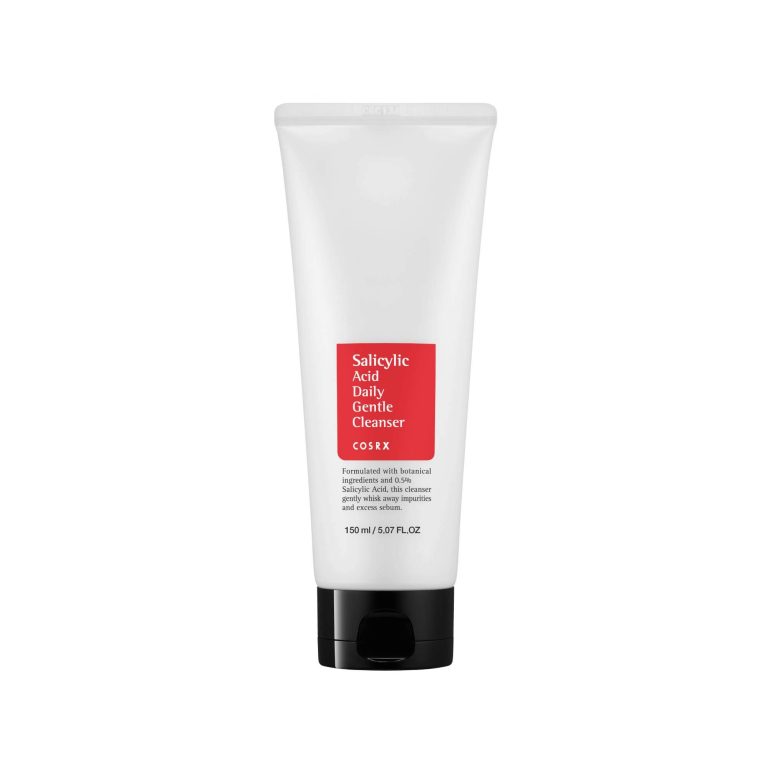
| COSRX Salicylic Acid Daily Gentle Cleanser | 0.5% | Tea tree oil, willow bark water, glycerin | Beginners, sensitive or combination skin, daily gentle use |
| The Derma Co 1% Salicylic Acid Gel Face Wash | 1% | Witch hazel, willow bark extract | Oily and acne-prone skin wanting a moderate daily option |
| The Derma Co Sali-Cinamide Face Wash | 2% SA + 2% Niacinamide | Aquaxyl (anti-dehydration), niacinamide for marks | Acne-prone skin that also wants help fading old acne marks |
| WishCare 2% Salicylic Acid Face Wash | 2% | Glycolic acid, lactic acid, green tea, tea tree oil, chamomile | Oily skin with visible blackheads, tolerant of stronger actives |
COSRX Salicylic Acid Daily Gentle Cleanser
At 0.5% salicylic acid, this is formulated for daily use without over-drying skin, and its inclusion of willow bark water and tea tree oil gives it a calming profile alongside the exfoliating effect. It’s a reasonable starting point for people who are cautious about actives or have combination-to-sensitive skin, though it’s a gentler formula and won’t tackle stubborn blackheads as aggressively as a 2% option.
The Derma Co 1% Salicylic Acid Gel Face Wash
A gel-based formula built around 1% salicylic acid with witch hazel, positioned for people with active acne who want a moderate, everyday-usable strength. The Sali-Cinamide variant steps this up to 2% salicylic acid paired with 2% niacinamide, aimed specifically at people managing both active breakouts and the marks they leave behind — useful if fading old acne marks is part of your goal, though niacinamide needs consistent use over weeks to show that benefit.
WishCare 2% Salicylic Acid Face Wash
This formula combines 2% salicylic acid with glycolic and lactic acid (AHAs), plus green tea and chamomile extracts to offset some of the drying effect of layering multiple acids. Because it combines a BHA with two AHAs, it’s a stronger exfoliating formula overall — better suited to people who already tolerate actives well, and best introduced gradually (2–3 times a week) rather than as a first-time daily cleanser.

How to Use a Salicylic Acid Face Wash Safely?
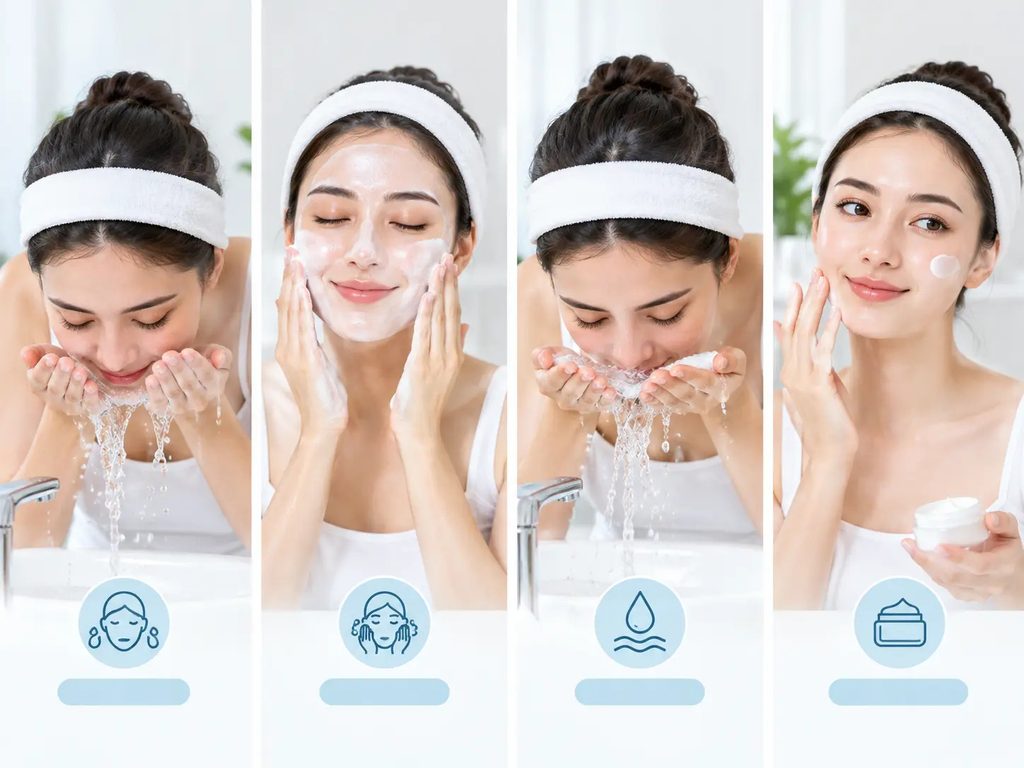
- Wet your face with lukewarm water — hot water increases dryness and irritation.
- Apply a small amount and massage gently for 20–30 seconds. Longer contact time doesn’t improve results and increases irritation risk.
- Rinse thoroughly, making sure no residue is left around the hairline or jaw.
- Pat dry, don’t rub.
- Follow immediately with a moisturizer suited to your skin type — this step is not optional, even for oily skin.
- Apply sunscreen every morning, since any exfoliating ingredient can increase sun sensitivity slightly over time.
Recommended Frequency by Concentration
- 0.5%: Once or twice daily.
- 1%: Once daily, or twice daily if skin tolerates it well.
- 2%: 3–5 times a week to start, increasing only if there’s no dryness or flaking.
What to Apply After a Salicylic Acid Face Wash
Because the cleanser rinses off, its job ends once you towel-dry. What follows matters just as much:
- Moisturizer: A lightweight, non-comedogenic, oil-free moisturizer for oily/acne-prone skin; a slightly richer one for combination or dry skin.
- Niacinamide serum (optional): Helps with oil control and fading old acne marks over time.
- Sunscreen (morning only): Broad-spectrum SPF 30 or higher is essential, especially with regular exfoliant use.
Ingredients and Combinations to Be Careful With
Salicylic acid is generally safe for daily cleansing use, but combining it carelessly with other actives can cause irritation:
- Retinol/retinoids: Using a salicylic acid cleanser and a retinol product in the same routine can be fine, but introduce them on alternate nights at first rather than together.
- Other exfoliating toners or serums (AHA/BHA): Stacking multiple exfoliants in one routine is a common cause of over-exfoliation. If your face wash already contains 2% salicylic acid, be cautious about also using a separate AHA/BHA toner daily.
- Benzoyl peroxide: Can be used together, but consider using them at different times of day (e.g., salicylic acid cleanser in the morning, benzoyl peroxide treatment at night) to reduce combined dryness.
- Vitamin C serums: Generally fine, but apply vitamin C after the skin has fully dried post-cleansing.
Common Mistakes to Avoid
- Expecting overnight results: Visible improvement in blackheads and breakouts typically takes 3–6 weeks of consistent use.
- Skipping moisturizer because the skin feels oily: This often backfires, triggering more oil production.
- Using a high concentration daily from day one: Always start gradually and perform a patch test.
- Combining too many actives at once: This can lead to redness, peeling, or a compromised skin barrier.
- Treating dark spots with salicylic acid alone: It addresses active breakouts and clogged pores, not existing pigmentation.
- Skipping sunscreen: This can undermine progress and increase the risk of new dark spots forming.
Buying a Salicylic Acid Face Wash in Bangladesh
Salicylic acid face washes are widely available in Bangladesh through skincare-focused online stores, general ecommerce marketplaces, and some pharmacies, alongside international brands imported through authorized sellers. Because product authenticity and freshness matter with active ingredients, a few practical checks help:
- Check product authenticity: Buy from stores that clearly state the product’s country of origin and batch/expiry information.
- Compare prices and package sizes: Check two or three listings before deciding, as pricing and availability change frequently.
- Verify authorized sellers: For imported products like COSRX or The Derma Co, check that the seller is an authorized retailer rather than an unverified reseller.
- Consider local distribution: Locally distributed brands, such as WishCare’s Bangladesh storefront, can offer more consistent stock availability and after-sales support.
Given Bangladesh’s heat and humidity, a lighter gel-based formula is usually more comfortable for daily use than a heavier cream cleanser, and pairing it with an oil-free moisturizer helps prevent the “oily but dehydrated” feeling common in this climate.
When to See a Dermatologist Instead
A face wash is a maintenance step, not a medical treatment. Consult a dermatologist if:
- Painful or cystic acne: Acne is painful, cystic, or leaving noticeable scarring.
- No improvement: Breakouts don’t improve after 6–8 weeks of a consistent, appropriate routine.
- Persistent irritation: Skin becomes persistently red, inflamed, or develops a rash after starting an active ingredient.
- Existing skin conditions: You’re managing acne alongside another skin condition, such as eczema or rosacea, where self-treatment carries more risk.
Over-the-counter salicylic acid cleansers are suited to mild-to-moderate oiliness, blackheads, and occasional breakouts — not to more severe or persistent acne.
FAQs
Q: Is salicylic acid face wash good for acne?
Yes, for mild-to-moderate acne, especially blackheads and whiteheads caused by clogged pores. For deeper cystic acne, it works best alongside — not instead of — a dermatologist-guided treatment.
Q: Is salicylic acid effective for blackheads?
Yes. Because it’s oil-soluble, salicylic acid can dissolve the oil and debris that forms blackheads inside the pore, which water-based cleansers alone cannot do.
Q: What percentage of salicylic acid is suitable for beginners?
0.5% to 1% is the safer starting range. It’s easier to build up to 2% later than to recover from irritation caused by starting too strong.
Q: Can oily skin use salicylic acid every day?
Often yes, at 0.5%–1% concentration. At 2%, daily use can be too drying for some people, so starting at 3–5 times a week is safer before moving to daily.
Q: Can dry or sensitive skin use salicylic acid?
It’s possible but needs caution — choose the lowest concentration, limit use to a few times a week, and always follow with a hydrating moisturizer.
Q: Is 1% or 2% salicylic acid better?
Neither is universally better. 1% suits beginners and sensitive-leaning skin; 2% suits established oily/acne-prone skin that already tolerates actives well.
Q: Can salicylic acid face wash remove acne marks?
Not directly. It helps prevent new breakouts that would otherwise leave marks, but fading existing marks needs ingredients like niacinamide, azelaic acid, or vitamin C, plus consistent sunscreen use.
Q: Should salicylic acid face wash be used in the morning or at night?
Either works. Many people prefer it in the morning to manage daytime oil, then use a gentler cleanser at night — but daily single use in either slot is also fine.
Q: How long should salicylic acid cleanser stay on the face?
20–30 seconds of gentle massage is enough. Leaving it on longer doesn’t improve results and increases the chance of dryness or irritation.
Q: What should be applied after salicylic acid face wash?
A suitable moisturizer every time, and sunscreen in the morning. A niacinamide serum can be layered in for added oil control and mark-fading support.
Q: Which salicylic acid face wash is available in Bangladesh?
Several options are available through Bangladesh-based skincare retailers and marketplaces, including locally distributed brands like WishCare, alongside internationally popular options such as COSRX and The Derma Co through authorized sellers.
Conclusion
A salicylic acid face wash is one of the most practical steps for managing oily skin, blackheads, and mild-to-moderate acne — but its strength should match your skin’s tolerance, not just what’s trending. Start low if you’re new to actives, always follow with a moisturizer and daily sunscreen, and give it several weeks before judging results. If dark spots or pigmentation are your main concern rather than active breakouts, pair this routine with a dedicated brightening approach instead of relying on salicylic acid alone.
Related: If acne marks or pigmentation are your primary concern rather than active breakouts, see our guide on building a dark spots skincare routine for ingredients better suited to fading existing marks. Dark Spot Care


 English
 Bengali