
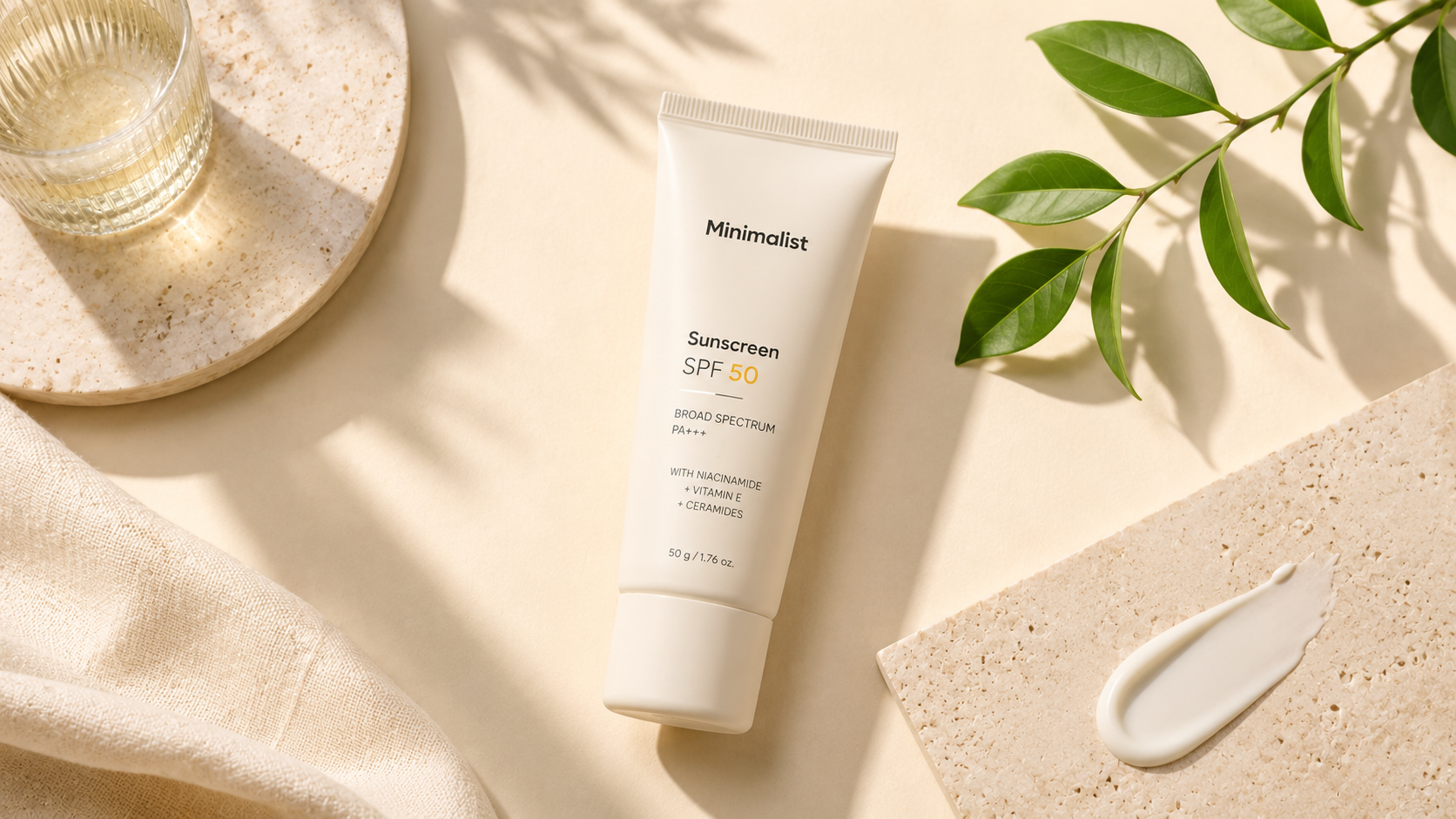
Complete Sunscreen Guide: Understanding SPF PA Rating and Skin Type Selection
Introduction
Sun damage is the leading cause of premature skin aging and skin cancer. Yet many people choose sunscreen incorrectly, applying products that don’t match their skin type or provide adequate protection. Understanding sunscreen guide with proper SPF PA rating and skin type compatibility transforms your skincare routine. This comprehensive sunscreen guide explains SPF ratings, PA ratings, and how to select the right sunscreen for your skin type so you can protect your skin effectively while maintaining its health and appearance.
Why SPF PA Rating Matters for Your Skin Type
Many people grab any sunscreen off the shelf without checking labels. This mistake leaves your skin vulnerable to UV damage. SPF and PA ratings serve specific purposes in sun protection, and matching them to your skin type prevents sun damage, dark spots, and accelerated aging.
Understanding SPF: What Your Number Really Means
SPF stands for Sun Protection Factor and measures protection against UVB rays, the primary cause of sunburn and skin cancer. The number indicates how long you can stay in the sun before burning compared to unprotected skin.
Key SPF Facts:
- SPF 15 blocks 93 percent of UVB rays
- SPF 30 blocks 97 percent of UVB rays
- SPF 50 blocks 98 percent of UVB rays
- SPF 70 and above block approximately 99 percent of UVB rays
The difference between SPF 30 and SPF 50 is only about 1 percent additional protection. Most dermatologists recommend SPF 30 as the minimum, though SPF 50 offers slightly better protection for extended outdoor exposure.
PA Rating: Your Guide to UVA Protection
PA rating measures UVA protection and is particularly important in Asia. UVA rays penetrate deeply into skin, causing premature aging, dark spots, and skin damage without causing visible sunburn. PA ratings range from PA+ to PA++++.
PA Rating Breakdown:
- PA+ provides some UVA protection
- PA++ provides moderate UVA protection
- PA+++ provides high UVA protection
- PA++++ provides the highest UVA protection available
Choose PA++ or higher for daily use. If you spend significant time outdoors, select PA+++ or PA++++.
Identifying Your Skin Type for Sunscreen Selection
The wrong sunscreen formula for your skin type sits heavily on your face, clogs pores, or leaves a white cast. Identifying your skin type ensures you apply a product that feels comfortable and actually protects your skin.
The Five Skin Types
Normal Skin Type
Normal skin produces balanced oil, feels comfortable throughout the day, and shows minimal sensitivity. If your skin feels neither oily nor tight after cleansing, you likely have normal skin.
Oily Skin Type
Oily skin produces excess sebum, appears shiny by midday, and tends toward larger pores and occasional breakouts. Your T-zone feels particularly oily within hours of washing.
Dry Skin Type
Dry skin lacks moisture, feels tight and uncomfortable, and may flake or become irritated. You often experience itching and your skin tone appears dull.
Combination Skin Type
Combination skin has both oily and dry areas, typically oily in the T-zone and dry on cheeks. This is the most common skin type.
Sensitive Skin Type
Sensitive skin reacts easily to products, environmental factors, or both. Redness, burning, itching, or stinging occurs frequently. Sensitive skin can also be oily, dry, or combination.
Choosing Sunscreen by Skin Type and SPF PA Rating
Matching your sunscreen to your skin type ensures protection without compromising comfort or causing breakouts.
| Skin Type | Recommended Texture | Best SPF PA | Avoid |
| Oily Skin | Gel or mattifying | SPF 50 PA+++ | Heavy creams |
| Dry Skin | Creamy lotion | SPF 30 PA++ | Gel formulas |
| Combination | Lightweight lotion | SPF 50 PA+++ | Very heavy |
| Sensitive | Mineral or gentle | SPF 30 PA++ | Chemical filters |
| Normal | Any formula | SPF 50 PA+++ | Nothing specific |
Best Sunscreen Formulations by Skin Type
For Oily and Acne Prone Skin
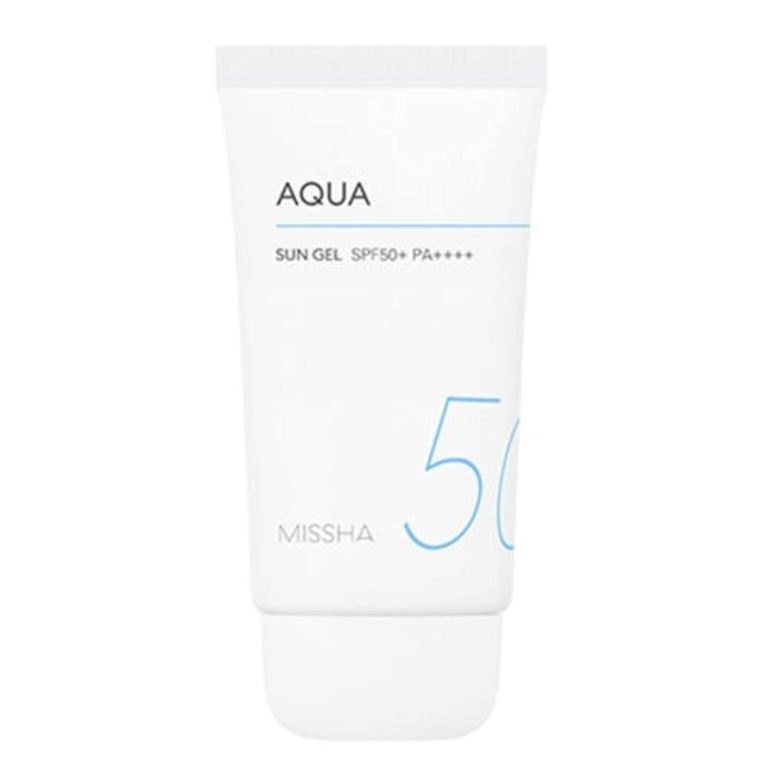
Gel sunscreens dry quickly without leaving a heavy residue. Look for oil free formulations with SPF 50 PA+++ ratings. Gel sunscreens absorb into skin without clogging pores, making them ideal for oily and acne prone skin. For an excellent option, try
For Dry Skin
Cream and lotion formulations provide hydration while protecting. Choose sunscreens with SPF 30 to SPF 50 and PA++ ratings. These formulations contain moisturizing ingredients that prevent dryness and irritation. Cream sunscreens work well for dry skin because they lock in moisture.
For Combination Skin
Lightweight lotion sunscreens balance protection and comfort. Choose formulations with SPF 50 and PA+++ ratings. Lotions sit between gels and creams, providing adequate hydration without excessive heaviness. This texture works for both oily and dry areas.
For Sensitive Skin
Mineral sunscreens containing zinc oxide or titanium dioxide work best for sensitive skin. These physical blockers sit on skin and cause fewer reactions. Choose SPF 30 to SPF 50 with PA++ ratings. Avoid formulations with chemical filters like oxybenzone or avobenzone if you have sensitive skin.
SPF vs PA: Which Rating Matters More
Both SPF and PA ratings matter, but they protect against different types of UV rays. SPF measures UVB protection (sunburn), while PA measures UVA protection (aging). Complete sun protection requires both.
UVB Rays and SPF Rating:
UVB rays cause sunburn and play a major role in skin cancer development. They are strongest between 10 AM and 4 PM. SPF rating directly indicates your sunburn protection level.
UVA Rays and PA Rating:
UVA rays penetrate deeply and cause premature aging, dark spots, and uneven skin tone. UVA rays are constant year round and pass through windows. PA rating becomes critical for long term skin health and preventing visible aging signs.
Practical Sunscreen Application Tips
Choosing the right SPF PA rating for your skin type is only half the battle. Proper application matters equally for protection.
Application Guidelines:
- Use one quarter teaspoon for your face and one quarter teaspoon for your neck
- Apply sunscreen as the last step in your morning skincare routine before makeup
- Wait 10 to 15 minutes after application before sun exposure
- Reapply every two hours or after swimming or sweating
- Do not forget ears, the back of your neck, and the tops of your feet
- Apply sunscreen on cloudy days as well since UV rays penetrate clouds
Common Sunscreen Mistakes to Avoid
Insufficient Amount Applied
Most people apply far less sunscreen than needed. Using less than recommended reduces your actual SPF protection significantly. If you apply half the recommended amount, your protection drops dramatically.
Skipping Reapplication
Sunscreen breaks down with time and friction. Reapplying every two hours maintains full protection. Many people apply once in the morning and think they are covered all day, leaving skin vulnerable to afternoon sun damage.
Using Wrong SPF PA Rating for Skin Type
Heavy cream sunscreen on oily skin leads to breakouts and a greasy appearance. Gel sunscreen on dry skin causes tightness and flaking. Choosing the right sunscreen guide based on your skin type prevents these problems.
Only Using Sunscreen at the Beach
Daily sun protection matters more than occasional beach trips. Cumulative sun exposure from regular outdoor activity causes most visible aging and skin damage. Apply sunscreen every single day regardless of your plans.
Complete Sunscreen Guide Summary
Understanding sunscreen guide principles with SPF PA rating requirements for your skin type transforms your skin protection strategy. SPF measures UVB protection while PA measures UVA protection. Both ratings matter for complete sun protection.
Match your sunscreen texture to your skin type. Oily skin needs gel formulas with SPF 50 PA+++. Dry skin benefits from creamy textures with SPF 30 to 50 and PA++. Combination skin works well with lightweight lotions with SPF 50 PA+++. Sensitive skin requires mineral formulas with SPF 30 PA++.
Proper application and consistent reapplication matter as much as product selection. Use adequate amounts, reapply every two hours, and apply daily for best results. Your skin will thank you through clearer, younger looking appearance and reduced skin cancer risk.
Explore Beautiful Skincare Solutions
Ready to upgrade your sunscreen routine with products formulated for your skin type? Visit
to find sunscreen products matching your specific skin type and SPF PA rating requirements. Beauty Bell offers premium skincare solutions designed for all skin types.
Recommended Resources
Learn more about sun protection from these trusted dermatological sources:
- American Academy of Dermatology Sun Safety Guidelines
- Skin Cancer Foundation UV Protection Information
- WHO Global Solar UV Index
Final Thoughts
Your skin protects your body from the elements. Return that favor by protecting it from sun damage with the right sunscreen for your skin type. Using this complete sunscreen guide with SPF PA rating knowledge ensures you make informed product choices that deliver real protection.
The right sunscreen applied consistently prevents premature aging, dark spots, and serious skin conditions. Invest in quality protection today and your skin will look healthier and younger for decades to come.


 English
 Bengali