
Dark Spots Skincare Routine Bangladesh: A Complete Guide for Clearer, Even-Toned Skin
Find out the best dark spots skincare regimen in Bangladesh using niacinamide, Vitamin C, azelaic acid, sunscreens, and products from BeautyBellBD for even skin.
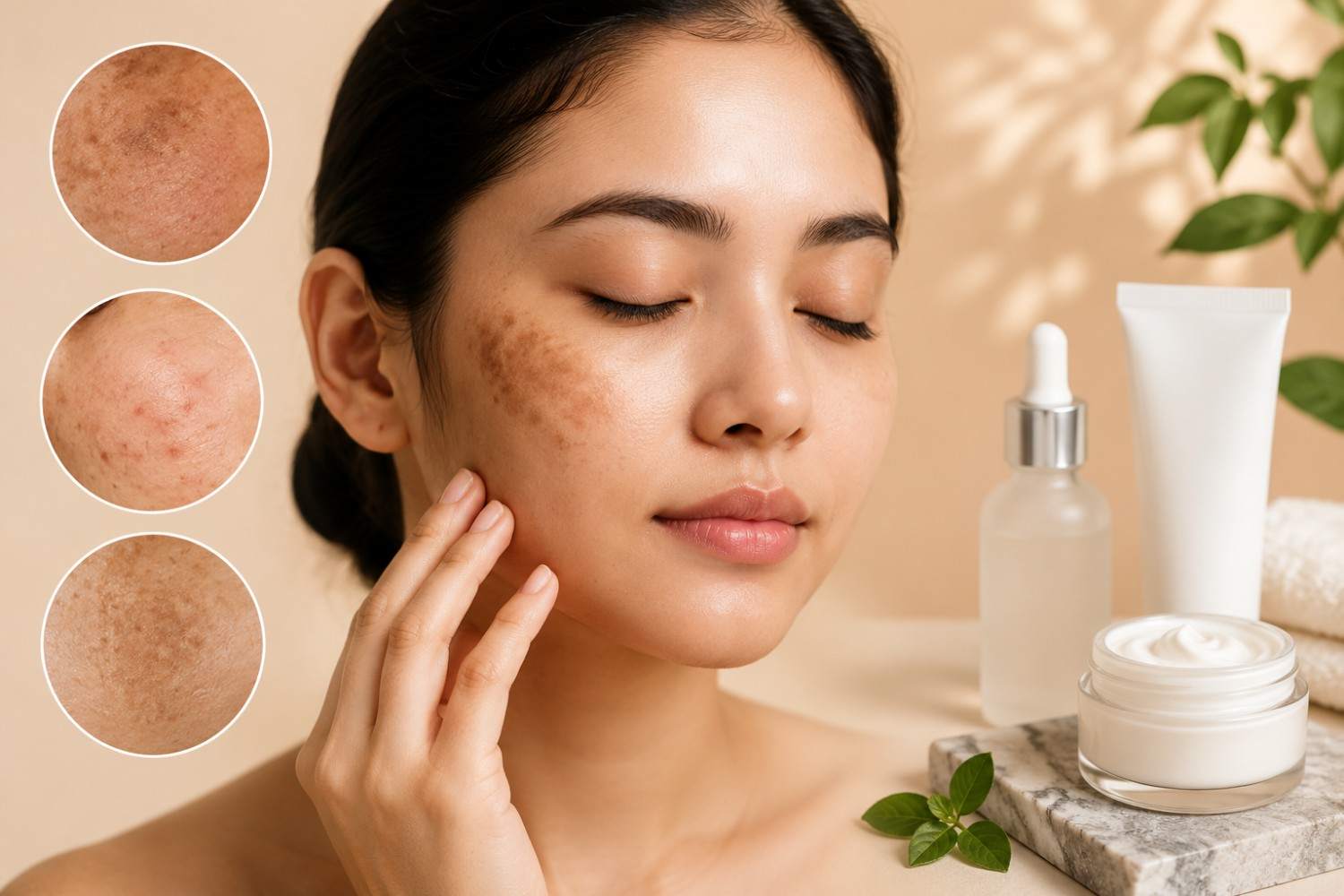
Darkened skin, spots of acne, sunspots, and skin pigmentation are among the skin care problems that people experience in Bangladesh. The problem of skin pigmentation can occur in a person owing to excessive sunlight, humidity, acne, skin irritation, and lack of sunscreens.
For the best dark spots skincare regimen in Bangladesh, there are three cornerstones. They are prevention of any new pigmentations, maintenance of the skin barrier, and improving dark spots slowly. There are ingredients such as niacinamide, tranexamic acid, azelaic acid, vitamin C, alpha arbutin, and some exfoliants that will assist in this. It is dependent on your skin type and source of pigmentation.
BeautyBellBD’s unique range of products is Dark Spot Care, where they have products that address the problems of dark spots, acne marks, redness, and discoloration.
Why Do Dark Spots Appear So Easily on Bangladeshi Skin?
The skin of most Bangladeshis is characterized by medium to dark skin with melanin (Fitzpatrick skin types III-V). In this type of skin, there are melanocytes – pigment-producing cells. Hence, this type of skin is resistant to UV light; however, this skin overreacts to any irritation or trauma. Even a single pimple, an insect bite, or a scratch can result in dark spots on your skin for several months.
A few local factors make this worse:
- Continuous exposure to the hot equatorial sun for most of the year, which keeps darkening the current spots and stimulating the production of fresh melanin.
- Moisture and heat, both of which by themselves can inflame the skin and keep it pigmented even without sun exposure.
- Urban pollution and dust particles, particularly in a city like Dhaka, cause free radical damage to the skin barrier, which causes discoloration.
- Skin Genetics is the growth of skin pigmentation due to inflammation from things that could include acne, eczema, or perhaps just a small cut. This condition is called Post-Inflammatory Hyperpigmentation (PIH).
- Home treatments like fresh lemon juice on the skin without mixing it in water can irritate the skin when fat or skin is left on and not help to remove dark spots.
Understanding the cause of your dark spots will guide you to know which active ingredients to use since not all dark spots will respond to certain ingredients.
Types of Dark Spots: Which One Do You Have?
1. Post-Inflammatory Hyperpigmentation (PIH)
The brown or dark flat spots that develop as a consequence of having acne, cuts, insect bites, or even waxing. These are the most common types of dark spots found in Bangladesh and can easily be treated with topical medication for a few months.
2. Melasma
Larger symmetrical brown-gray patches appearing on the cheeks, forehead, upper lip, or nose bridge. It is usually associated with hormones and is caused by pregnancy, hormonal contraceptives, etc. Heat and sun exposure make this condition even worse. Melasma is treatable but requires strict sun precautions, as this condition might reappear.
3. Sun Spots (Solar Lentigines)
Patches of dark color that can form over many years from exposure to the sun. Typically, they will be found on the face, hands, and shoulders, and they tend to be darker in the sun and with age.
Should you have more than one dark area that is on the entire face, or if there is nothing seen in three months, you should see a dermatologist because you could be suffering from melasma.
Key Ingredients That Actually Fade Dark Spots
Vitamin C
The extensively researched antioxidant, however, not only helps in lightening the pigment but also provides a defense against any harm that can be caused due to sun exposure and pollution. The application of the same in the morning after layering under sunscreen is highly recommended.
Niacinamide (Vitamin B3)
This helps to inhibit the transmission of pigment to the surface skin layer, hence making the dark spots less visible. It is also very mild and does not irritate, hence making it suitable for the warm weather in Bangladesh.
Alpha Arbutin
It is a mild brightening ingredient that is known to inhibit the enzyme responsible for producing excessive melanin without the harsh effects of other acids.
Tranexamic Acid
Being increasingly preferred by dermatologists for the treatment of melasma and PIH because of its action on the inflammatory process responsible for excess pigmentation; this is an effective option in case vitamin C or niacinamide alone do not provide results.
Retinol / Retinoids
Promotes rapid shedding of the affected cells and increases collagen production. Effective but has to be introduced gradually and with proper sun protection measures.
Sunscreen (SPF 50, Broad Spectrum)
Non-negotiable. All dermatology experts emphasize the significance of this step: skipping sunscreens makes all other ingredients work ineffectively.
Dark Spots Skincare Routine Bangladesh
Morning Dark Spots Skincare Routine
The use of your morning skincare routine will ensure that your skin is safe from the various aggressors present in the environment and will be able to maintain its glow. Keep things simple and just use products that suit your skin type.
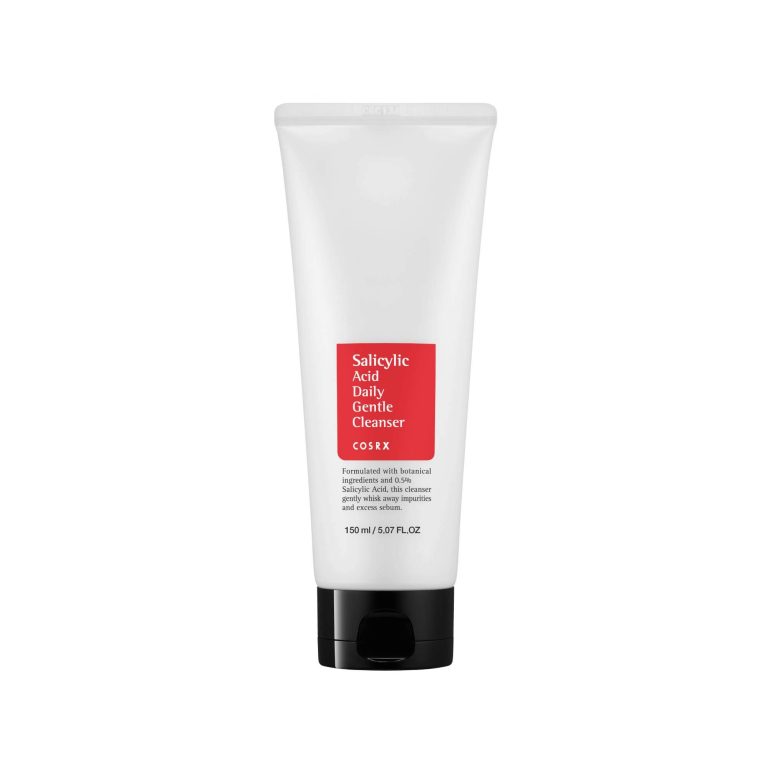
Step 1: Use a Gentle Cleanser
Cleanse the skin using a cleanser to get rid of any impurities such as sweat, oils, and dirt accumulated on the skin overnight. You should use lightweight formulas if you have oily skin and heavier formulas if you have dry and sensitive skin.
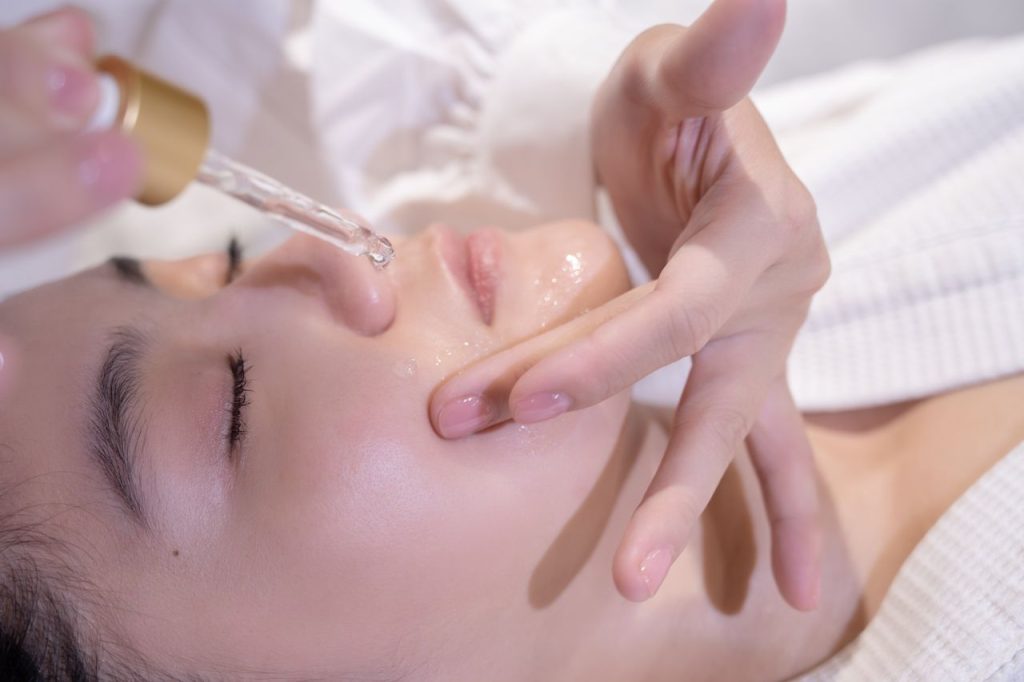
Step 2: Brightening Serum Application
Apply one product that contains niacinamide, or other serums that have tranexamic acid, vitamin C, alpha arbutin, and azelaic acid. Don’t include various strong ingredients in your routine.
Step 3: Moisturise
Apply a moisturizer to maintain the barrier function of your skin and avoid dryness. Use gel-based formulas for oily skin and rich formulas for dry skin types.
Step 4: Apply Sunscreen
Complete your day’s activities by using SPF 30+ sunscreen. It becomes essential for shielding your skin pigmentation from turning darker. It needs to be reapplied time and again depending on the length of time you have to spend in the sun.
Night Dark Spots Skincare Routine
Your evening skincare regimen should be more about treatments and recovery for your skin.
Step 1: Cleanse Your Skin
It is extremely important that all the dirt on your skin be removed prior to the start of your procedure. If you have applied a waterproof sunscreen or thick makeup, then you might have to do a pre-cleansing before your cleansing.
Step 2: Apply a Dark Spot Treatment
Use only one treatment product and not several powerful ingredients at once.
Niacinamide
Niacinamide is usually included in skincare regimens aimed at the correction of uneven skin tone. This ingredient can also work together with skincare aimed at the improvement of the skin barrier.
Tranexamic Acid
Tranexamic Acid is a common component found in cosmetics that are geared towards pigmentation issues and skin tone.
The ANUA Niacinamide 10% + TXA 4% serum by BeautyBellBD combines both components in one serum for dark spots, acne marks, and uneven skin tone.
Azelaic Acid
Azelaic acid would be especially effective if acne and pigmentation occur simultaneously. According to DermNet, azelaic acid will be able to decrease pigmentation and can be helpful to get rid of brown spots left by acne.
The product ANUA Azelaic Acid 10 Hyaluron Redness Soothing Serum belongs to the BeautyBellBD category of Dark Spot Care.
Alpha-Arbutin
Alpha arbutin is yet another brightener that you can find in products made to target uneven skin tone and discoloration.
Vitamin C
Another compound that is used in many lightening formulations and also antioxidant treatments is Vitamin C. Make sure that you introduce this to your skin slowly if you have a sensitive skin type.
Step 3: Moisturise
Complete your night skin care routine with a proper moisturizer, based on your skin type. Your skin must be healthy in order to adhere to your skin care routine without any problem.
Pros and Cons of a Dark Spot Skincare Routine
| Pros | Cons |
| Helps improve the appearance of dark spots | Results take time |
| Can improve uneven-looking skin tone | Some active ingredients may cause irritation |
| Sunscreen helps prevent new pigmentation | You need consistent daily use |
| Can support healthier-looking skin | Using too many actives can damage the skin barrier |
| Targeted ingredients can address specific concerns | Not every product works equally for every person |
| Can be customised according to skin type | Some pigmentation requires professional treatment |
| Simple routines can be affordable | Stopping sunscreen may allow pigmentation to return |
What Causes Dark Spots on Face?
Dark Spots from Acne, Redness and Scarring
There are usually dark patches that can be caused by the formation of acne on the face. The irritation and redness from acne will also lead to increased pigmentation.
UV Radiation
The sun will cause the body to make melanin and will darken any dark spots and may also result in additional pigmentation. UV rays and uneven skin tone and pigmentation can be avoided with the use of sunscreen.
Genetics
The genes of a person affect their skin’s response to the sun, inflammation, and hormones. Some individuals are more susceptible to producing pigmentation, freckles, or dark spots.
Pregnancy
The hormones during pregnancy can stimulate the production of melanin, creating dark spots on the upper lip, nose, forehead, and cheeks (melasma).
Hormone Imbalances
The changes in hormones can trigger the production of melanin within the body and also pigmentation. This is usually associated with pregnancy, menstrual periods, or even hormonal imbalances.
How to Prevent Dark Spots on the Face
Rigorous Sun Protection
Use a broad sunscreen with SPF 30 in the morning. Reapply it after you have been in the sun. This matters more if you are sweating or if you get your skin wet. This helps block UV light from leading to dark spots.
Manage Irritations and Breakouts
Try to keep redness and acne from getting worse. This can lower the risk of dark marks that show after a pimple. Choose products that fit your skin. Skip products that leave your face dry or make it feel extra sensitive.
Avoid Picking or Squeezing Blemishes
When you squeeze the pimple and make it pop, the inflammation will happen on the skin, and as a result, the skin will get darker at that site, and the pimple will heal more slowly.
Use Gentle Skincare Products
Correctly using skin care products such as cleansers and moisturizers is crucial, along with other skin care products that are appropriate for your skin type. Products that irritate skin should not be used.
Incorporate Antioxidants
Vitamin C, vitamin E, and niacinamide are antioxidants. They can be used as part of a basic skincare regimen. They are able to shield skin from environmental factors and promote even skin tone.
Dark Spots Skincare Products from BeautyBellBD
For the Dark Spots Skincare Routine Bangladesh that you are working on, some products at BeautyBellBD have been recommended for dark spots, acne marks, pigmentation, uneven skin tone, and sun protection.
1. ANUA Niacinamide 10% + TXA 4% Dark Spot Correcting Glow Serum
The serum is a combination of 10% niacinamide and 4% tranexamic acid with alpha arbutin, hyaluronic acid, and ceramides. The serum will help treat dark spots, post-acne spots, hyperpigmentation, and discoloration of the skin.

2. ANUA Azelaic Acid 10 Hyaluron Redness Soothing Serum
This serum from BeautyBellBD is made with 10% azelaic acid and hyaluronic acid. Thus, it is appropriate for those routines that are aimed at solving certain problems.
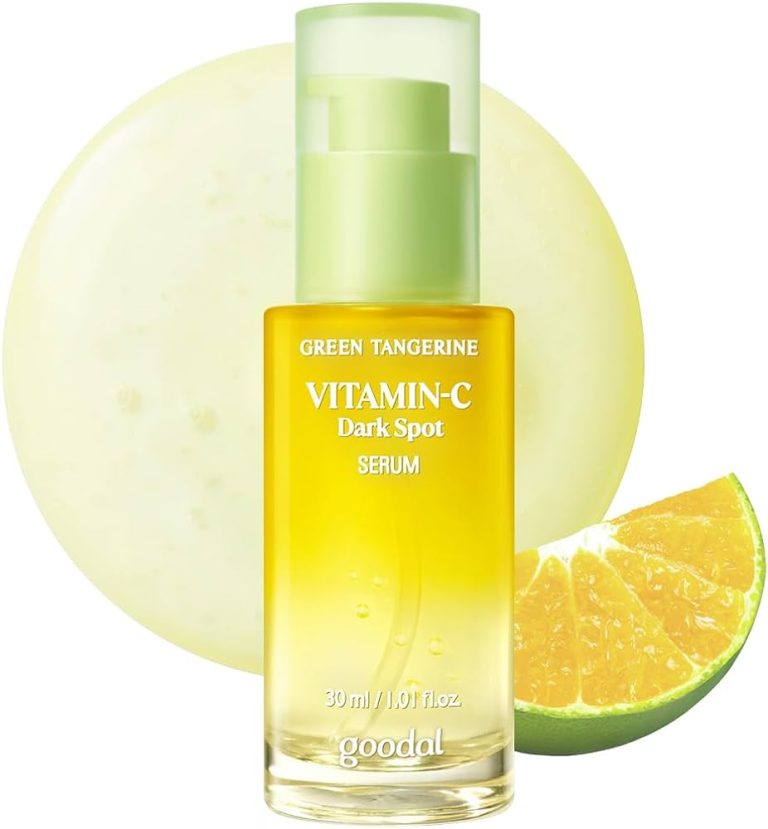
3. GOODAL Green Tangerine Vita C Dark Spot Serum
This vitamin C-based serum uses green tangerine extract for addressing the problem of dark spots and uneven skin tone and is formulated for brightening and hydration as part of the daily skincare routine.
4. Celimax Pore+Dark Spot Brightening Care Sunscreen
This SPF 50+ PA++++ sunscreen is an exclusive formula that is meant to tackle dark spots, dull skin, and large pores. One may use the sunscreen daily in order to provide protection against dangerous UV radiation, and it is not difficult to integrate it into one’s routine (it is pigmentation-oriented in the mornings).
5. Demelan Cream
This Demelan Cream consists of ingredients such as glycolic acid, arbutin, and kojic acid dipalmitate. It is used when there are dark spots, scars after acne, pigmentation, melasma, or any other kind of skin discoloration caused by sun exposure.
Which Dark Spot Product Should You Choose?
For an askincareaightforward skin care routine, one can incorporate a target serum alongside a sunscreen. An ANUA dark spot serum could serve as an appropriate option for delivery of the required targeted treatment, whereas BeautyBellBD SPF 50+ Sunscreen is a suitable option for protection against UV rays that might cause hyperpigmentation.
Note: Availability, price, and inventory may change, so it is advisable to check the BeautyBellBD product page before stating your prices or availability.
Common Mistakes When Treating Dark Spots
The common errors that people usually make include a lack of sunscreen, too much active ingredient content, over-exfoliating, touching the pimples, and being impatient. There are some aggressive skin care treatments that might be dangerous for your skin and lead to pigmentation. The only solution to this problem is treatment persistence.
FAQs
What is the best skincare routine for dark spots in Bangladesh?
Apply a gentle cleanser, a brightening serum, moisturizer, and a sunscreen SPF 30 or higher daily. This regular application would solve the problem and would also help avoid the formation of further dark spots.
Which ingredient is best for acne dark spots?
Acne-related dark spot treatment can be done with the use of azelaic acid, niacinamide, vitamin C, and retinoids. Acne treatment helps prevent the formation of new hyperpigmentation.
Is sunscreen necessary for treating pigmentation?
Yes, sunscreen is necessary, since UV light and visible light worsen the problem. It is recommended to use a broad spectrum of the sunscreen with SPF 30+.
How long does it take for dark spots to fade?
The fading process may take several months. Initially, pigmentation may start to fade faster, and a longer period will be needed to get rid of deep pigmentation (6 months or more).
Can I use niacinamide and tranexamic acid together?
Yes, you can combine these two active ingredients in your routine. It is just necessary to incorporate them into your skincare routine gradually and discontinue their usage in case of burning and redness.
Is vitamin C good for pigmentation?
Yes, vitamin C is good for treating skin tone issues and fading dark spots. The other benefit of vitamin C is its antioxidant function, especially combined with regular use of sunscreen.
When should I see a dermatologist for dark spots?
Consult a dermatologist if pigmentation does not fade, does not disappear, or changes, or if it becomes abnormal or does not clear up. Recalcitrant pigmentation may require professional treatment.
Conclusion
A dark spots skincare routine in Bangladesh would involve the use of mild cleansers, brighteners, moisturizers, and sunblock. There are specific ingredients that will assist in evening out the skin color, such as niacinamide, tranexamic acid, azelaic acid, vitamin C, and alpha arbutin. One should select the products considering the skin type, introduce the actives step by step, and consult a dermatologist concerning the pigmentation issues.


 English
 Bengali